Tufnell Park Road rubbish collection guide for N19 homes
Posted on 27/07/2026
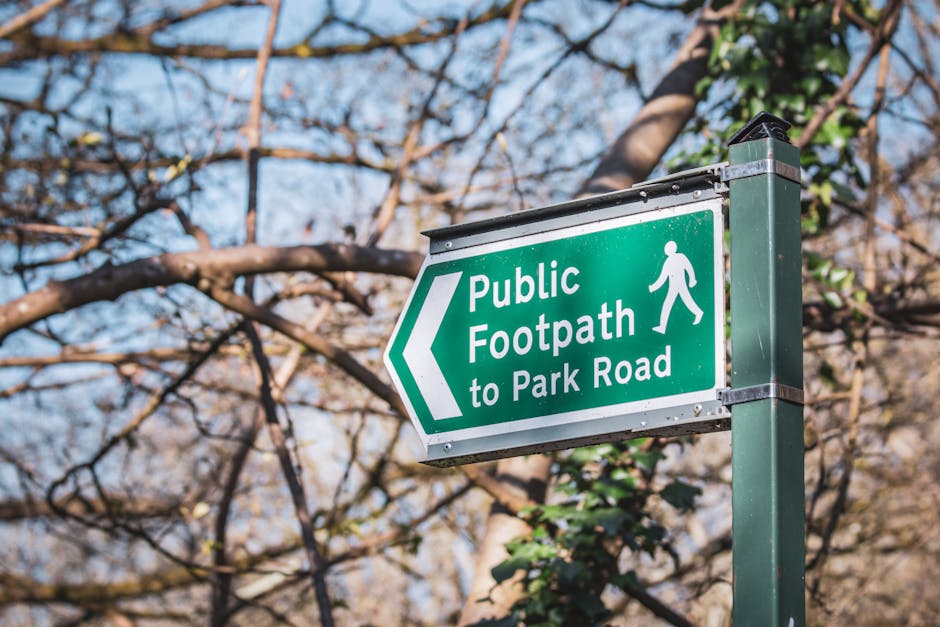
If you live on or near Tufnell Park Road, rubbish can feel simple right up until it isn't. Bags stack up after a clear-out, a sofa needs moving, the garden has had one of those relentless weekends, and suddenly the usual bin routine feels far too small for the job. This Tufnell Park Road rubbish collection guide for N19 homes is here to make the whole process easier to understand, easier to plan, and less stressful on the day. Whether you are dealing with a one-off load, regular household waste, or something awkward like bulky furniture, the aim is straightforward: help you choose the right collection method and avoid the common mistakes people make when they are in a rush.
Tufnell Park is a busy, lived-in part of North London, and rubbish collection here is rarely just about "getting rid of stuff." It is about timing, access, sorting, safety, and knowing what is worth doing yourself and what is better handed over. A bit of planning goes a long way. Honestly, it can save you from a messy hallway, a surprise charge, or a wheeled bin that never quite makes it back in time.
In the sections below, you will find a practical walk-through of how rubbish collection works for N19 homes, what to watch out for, and how to handle everything from everyday waste to heavier items. There is also a checklist, a comparison table, and a real-world example, because let's face it, most people want the quick answer and the sensible one.
Why Tufnell Park Road rubbish collection guide for N19 homes Matters
For N19 homes, rubbish collection matters because space is limited, access can be awkward, and waste builds up faster than people expect. A hallway in a Victorian terrace, a basement flat with narrow stairs, or a top-floor conversion with no lift can make even a small clear-out feel like a mini project. Add London parking pressures, busy roads, and the occasional last-minute life admin, and you can see why a clear plan is useful.
This guide is especially helpful if you are trying to avoid overfilling bins, leaving waste out for too long, or moving bulky rubbish in a way that risks damage. You may also be juggling recycling, green waste, furniture, or builder's rubble, and each of those needs a slightly different approach. There is no one-size-fits-all answer, even on the same street.
It also matters for presentation and liveability. If you are moving, renting out, renovating, or simply trying to keep your home under control, rubbish that sits around creates friction. You notice it in the smell, the clutter, the stress. A proper collection plan restores a bit of calm. Small thing, maybe. But important.
If you are also looking at the wider local area and how people live around it, our article on why Tufnell Park is loved as a residential haven gives useful context on the neighbourhood feel that makes good waste management even more valuable.
How Tufnell Park Road rubbish collection guide for N19 homes Works
At its simplest, rubbish collection works by matching the type of waste to the right removal method. That might mean putting out the right bins on the right day, booking a one-off collection for bulky items, or arranging a full property clearance when the amount of waste is more than a normal household can handle.
For many N19 homes, the process starts with sorting. Regular household rubbish, mixed recycling, green waste, furniture, appliances, and construction debris should not all be treated as the same thing. If you mix them badly, you create extra labour, extra time, and sometimes extra cost. To be fair, that is where most problems begin.
A sensible collection process usually follows this pattern:
- Identify the waste type and volume.
- Decide whether it can go in normal household disposal or needs a dedicated collection.
- Check access conditions such as stairs, parking, and loading space.
- Bundle or bag items safely so they can be handled without delay.
- Arrange the collection for a time that actually works for your property and neighbours.
- Make sure the waste is ready before the collection window starts.
The more awkward the item, the more important preparation becomes. A broken wardrobe, for example, is much easier to move if it is dismantled before collection day. A pile of mixed garden cuttings is easier to manage if it is bagged or boxed sensibly rather than left loose. It sounds obvious. Yet people leave this until the morning, every time.
Where the job is more involved, a specialist service may be a better fit. You can review the full range of local support in the services overview, including options for larger or more complex clearances.
Key Benefits and Practical Advantages
There are a few very real advantages to using a planned rubbish collection approach in Tufnell Park Road homes, and they go beyond simply clearing the floor space.
1. Less stress on collection day
When waste is sorted and ready, the whole process is calmer. No frantic bag-stuffing at the door, no trying to carry a wardrobe panel sideways through a stairwell at 7:30 in the morning.
2. Better use of space
Bulky rubbish can eat up a flat or front garden quickly. A proper collection clears that pressure and gives you breathing room again.
3. Safer handling
Broken glass, splintered timber, metal edges, and heavy items can cause injuries if moved carelessly. Planned collection reduces that risk.
4. Cleaner recycling outcomes
When waste is separated properly, reusable and recyclable materials are easier to manage. That supports better environmental practice, and it usually makes the job more efficient too.
5. More flexibility for busy households
If you work long hours, have children, or simply do not have the energy for a half-day clear-out, a collection service gives you a cleaner, quicker route.
You may also be thinking about costs. Fair enough. The point is not just "how cheap can this be?" but "what option will actually get the job done properly without a second round?" That is often where value really sits. Our pricing and quotes information can help you think through that side sensibly.
Who This Is For and When It Makes Sense
This guide is useful for a wide range of N19 residents, especially if you live on Tufnell Park Road or nearby and need a practical way to manage waste without turning your week upside down.
- Homeowners handling regular waste, renovation debris, or garden cuttings.
- Tenants preparing for a move, end-of-tenancy clean-up, or replacement furniture.
- Landlords clearing left-behind items between occupancies.
- Families dealing with accumulated household clutter or broken bulky items.
- Busy professionals who need waste removed quickly and predictably.
- Anyone renovating a flat, maisonette, or house and generating mixed waste.
It makes sense to use a guided collection approach when the waste is more than your normal bins can comfortably manage, when it is too heavy to move safely, or when you want a cleaner, faster reset of the property. It is also useful after parties, seasonal clear-outs, garden work, or home office upgrades. Life gets cluttered, then it gets very cluttered. It happens.
If your wider household project is tied to moving, investing, or improving a property, it may help to read about Tufnell Park real estate and buying decisions and the related overview of real estate services in Tufnell Park. Waste planning and property planning often overlap more than people think.
Step-by-Step Guidance
Here is a practical way to handle rubbish collection without overcomplicating it.
1. Walk through the property and identify everything that needs moving
Start with a room-by-room check. Separate the obvious stuff first: general waste, recycling, bulky items, old furniture, garden waste, and construction leftovers. This gives you a realistic picture of the job rather than a hopeful guess.
2. Decide what can be reused, recycled, or disposed of
Not everything needs to go straight into disposal. A table with a loose leg might be repairable. Old boxes may be recyclable. Garden cuttings may need different handling from mixed rubbish. A little sorting now saves confusion later.
3. Measure the awkward items
Doors, sofas, mattresses, desks, and cabinets all behave differently in hallways and stairwells. Measure the item and the route out. If the item will not fit comfortably through the space, dismantling may be the smarter option. It is a tiny bit tedious, yes, but better than getting stuck halfway down the stairs.
4. Prepare the access route
Move smaller items out of the way, open gates, and make sure the collection team can reach the waste safely. On a road like Tufnell Park Road, the loading and parking plan matters as much as the waste itself.
5. Bag and bundle waste securely
Sharp edges should be wrapped. Loose rubble should be contained. Lightweight waste should not be allowed to blow around in the wind. If it looks ready for a quick sweep into the road, it is not ready enough.
6. Confirm timing and expectations
Check the collection time, whether you need to be present, and whether there are any access instructions. A missed window can throw off your whole day, especially in London where every hour seems to be doing two jobs at once.
7. Do a final sweep after collection
Once the waste is gone, check for small fragments, nails, screws, or packaging remnants. The clean-up after a collection is often what makes the result feel truly finished.
Expert Tips for Better Results
Good rubbish collection is often won or lost in the small details. Here are a few practical habits that tend to make the biggest difference.
- Keep waste streams separate. Do not mix garden waste with general rubbish if you can avoid it.
- Break down large items early. A dismantled wardrobe is usually easier to move than a fully assembled one.
- Use sturdy bags and boxes. Weak packaging slows everything down and can create mess in the stairwell.
- Leave a clear path. Even a narrow walkway matters when items are heavy or awkward.
- Book before the pile becomes a problem. The best collections are the ones arranged before waste spreads into every corner.
- Think about neighbours. On tight residential streets, timing and tidiness matter. A considerate collection is just better all round.
One slightly underrated tip: keep a separate "decision pile" for items you are not sure about. It stops you from staring at the same half-broken chair three times a day. Not glamorous, but effective.
If your waste includes garden cuttings, hedge trimmings, or soil-heavy materials, take a look at garden waste removal in Tufnell Park for a more suitable route than standard household disposal.

Common Mistakes to Avoid
Most rubbish collection headaches come from a few predictable mistakes. They are easy to make, and even easier to avoid once you know what they are.
- Leaving everything for the final morning. That is how items get missed, damaged, or left outside in a rush.
- Assuming all waste can be treated the same way. It cannot. Different waste types need different handling.
- Ignoring access restrictions. A flat with tight stairs or limited parking needs a better plan than a ground-floor house.
- Overloading black bags. Heavy bags split. They always split at the worst possible moment.
- Forgetting sharp or hazardous fragments. Broken glass, nails, and splinters can still cause trouble after the main waste is gone.
- Booking the wrong service for the job. A single bulky item and a full property clearance are not the same thing.
Another common one: people underestimate how much time sorting takes. Truth be told, that's the real job. The removal is often the easy part.
Tools, Resources and Recommendations
You do not need a huge kit to manage rubbish well, but a few basic tools can make the process much smoother.
- Heavy-duty bags for mixed household waste.
- Box cutters or a screwdriver set for breaking down furniture.
- Protective gloves for handling sharp or dusty items.
- Marker pens or labels to identify piles for recycling, reuse, or disposal.
- Trolley or sack truck if you are moving heavier items over short distances.
- Measuring tape for checking whether bulky items can exit safely.
From a planning perspective, it also helps to know your collection priorities. If the property needs a full reset, a house clearance may be more appropriate than piecemeal waste removal. If you are clearing a workspace, office removal is the better fit. For single pieces of furniture, a dedicated disposal option is usually the neatest route. You can compare these approaches through the house clearance service, office clearance service, and furniture disposal service pages.
Law, Compliance, Standards, or Best Practice
Rubbish collection in London is not just about convenience. There are proper expectations around safe handling, responsible disposal, and keeping public spaces clear. While this guide is not legal advice, the basic best practice is straightforward: do not leave waste where it creates obstruction, do not mix materials in a way that makes them unsafe, and do not assume a collection service will accept items without checking the type and condition first.
For residents, the safest approach is to treat waste as something that should be stored securely until collection, especially if it includes sharp objects, broken fittings, or any material that could leak or spill. If waste is being removed from a shared building, it is also courteous and sensible to minimise hallway blockage and noise. That sort of thing matters in real life more than people admit.
For more detail on service standards and responsible working practice, our pages on recycling and sustainability, insurance and safety, terms and conditions, and payment and security may be useful. They help set expectations around how a professional waste collection should be handled.
If you are dealing with contractor waste or renovation spoil, there is usually a stronger need for careful sorting and safe loading. In those cases, builders waste disposal in Tufnell Park is the more relevant route than a general household pickup.
Options, Methods, or Comparison Table
Different waste problems call for different answers. Here is a simple comparison to help you choose the most sensible route.
| Method | Best for | Pros | Watch out for |
|---|---|---|---|
| Normal household bin collection | Routine day-to-day waste and recycling | Simple, familiar, no extra planning | Limited capacity, not suitable for bulky items |
| Garden waste removal | Cuttings, hedge trimmings, soil-heavy garden debris | Handles green waste more efficiently | Needs the right preparation and separation |
| Furniture disposal | Sofas, tables, wardrobes, mattresses | Good for bulky items and awkward shapes | Access and dismantling may be needed |
| House clearance | Whole rooms, move-outs, major decluttering | Fast way to clear a property properly | Requires more planning and sorting |
| Builders waste disposal | Renovation debris, timber, plasterboard, mixed site waste | Useful for home improvements and refurbishments | Heavier loads often need extra care |
As a rule, the smaller and cleaner the waste stream, the simpler the solution. The bigger and messier the load, the more likely you will need a dedicated service.

Case Study or Real-World Example
Here is a simple example based on a very normal kind of N19 situation. A family on Tufnell Park Road decided to clear out a spare room that had quietly become storage for "things we might need one day." You know the type. A broken desk, an old chair, cardboard boxes, a lamp with no bulb, and a pile of mixed bits from a hobby that had not been touched since before the last long summer.
At first, they thought it would just be a few bin bags. Then they noticed the desk would not fit through the doorway unless it was partly dismantled, and the chair frame had a metal base that needed careful handling. Rather than trying to do it all in one frantic go, they sorted everything into piles: keep, recycle, dispose, and maybe-fix-later. That last pile is often the tricky one.
By the time collection day arrived, the waste was bagged, the furniture was broken down, and the route out was clear. The job took less time than they had feared, and the room looked bigger immediately. Not magically bigger, but properly bigger. The sort of bigger you can feel when you open the door.
That example matters because most rubbish problems are not dramatic. They are just badly timed and badly organised. Once the waste is separated and ready, the job becomes far easier.
Practical Checklist
Use this quick checklist before your collection day.
- Identify the waste type: general, recycling, garden, furniture, or builders waste.
- Separate items into clear piles.
- Break down bulky items where possible.
- Bag or box loose waste securely.
- Remove sharp edges or wrap them safely.
- Check access routes, stairs, gates, and parking space.
- Confirm collection timing and any special instructions.
- Keep pets and children away from the waste area.
- Do a final sweep for small debris after collection.
- Decide what should be reused, donated, or recycled before you dispose of it.
If you can tick most of those off, you are already ahead of the game.
Conclusion
Managing rubbish on Tufnell Park Road does not have to be complicated. With a bit of sorting, the right collection method, and a realistic view of your access and timing, you can clear waste efficiently without turning your home into a temporary depot. That is really the heart of this guide: make the process calm, safe, and properly matched to the waste you have.
For N19 homes, the smartest approach is usually the one that respects the property, the neighbours, and your own time. Sometimes that means a simple bin routine. Sometimes it means a dedicated bulky collection or a fuller clearance. Either way, preparation makes the biggest difference. Not glamorous, but true.
Get a free quote today and see how much you can save.
And if you are still weighing up your options, start with the most awkward item in the room. Once that is solved, everything else tends to fall into place.
 Tipper Van - Rubbish Removal and Waste Disposal Prices in Tufnell Park, N7
 Luton Van- Rubbish Removal and Waste Disposal Prices in Tufnell Park, N7


